Introduction
In an uncertain world, recognizing how to conserve a life can be the most effective skill one could possess. Cardiopulmonary resuscitation, commonly referred to as mouth-to-mouth resuscitation, is a critical device in emergency situation circumstances where a person's heartbeat has actually quit. It's crucial for not only healthcare experts yet also for man in the streets that wish to make a difference. This comprehensive post looks into the subtleties of CPR, including its importance, strategies, and the extensive training provided in mouth-to-mouth resuscitation First Aid Course Brisbane courses.
Understanding CPR: The Lifesaving Skills Instructed in Mouth-to-mouth Resuscitation Courses
CPR is greater than simply a series of compressions and breaths; it is a lifesaving strategy that incorporates expertise with sensible skills. Comprehending mouth-to-mouth resuscitation includes recognizing when it is required and implementing the ideal steps effectively. The major purpose of mouth-to-mouth resuscitation is to preserve blood flow to crucial organs until professional medical assistance gets here.
Why Is Discovering CPR Important?
Lifesaving Potential: One of one of the most compelling reasons to discover mouth-to-mouth resuscitation is its capacity to conserve lives. According to the American Heart Organization (AHA), immediate CPR can double or even triple a sufferer's opportunity of survival after heart arrest.
Common Occurrences: Heart attacks can happen anywhere-- at home, job, or public locations. Having actually individuals learnt CPR boosts the possibility of prompt assistance.
Empowerment: Knowing CPR encourages people with the confidence and ability to act emphatically during emergencies.
Community Impact: An area geared up with individuals learnt emergency treatment and mouth-to-mouth resuscitation produces much safer atmospheres for everyone.
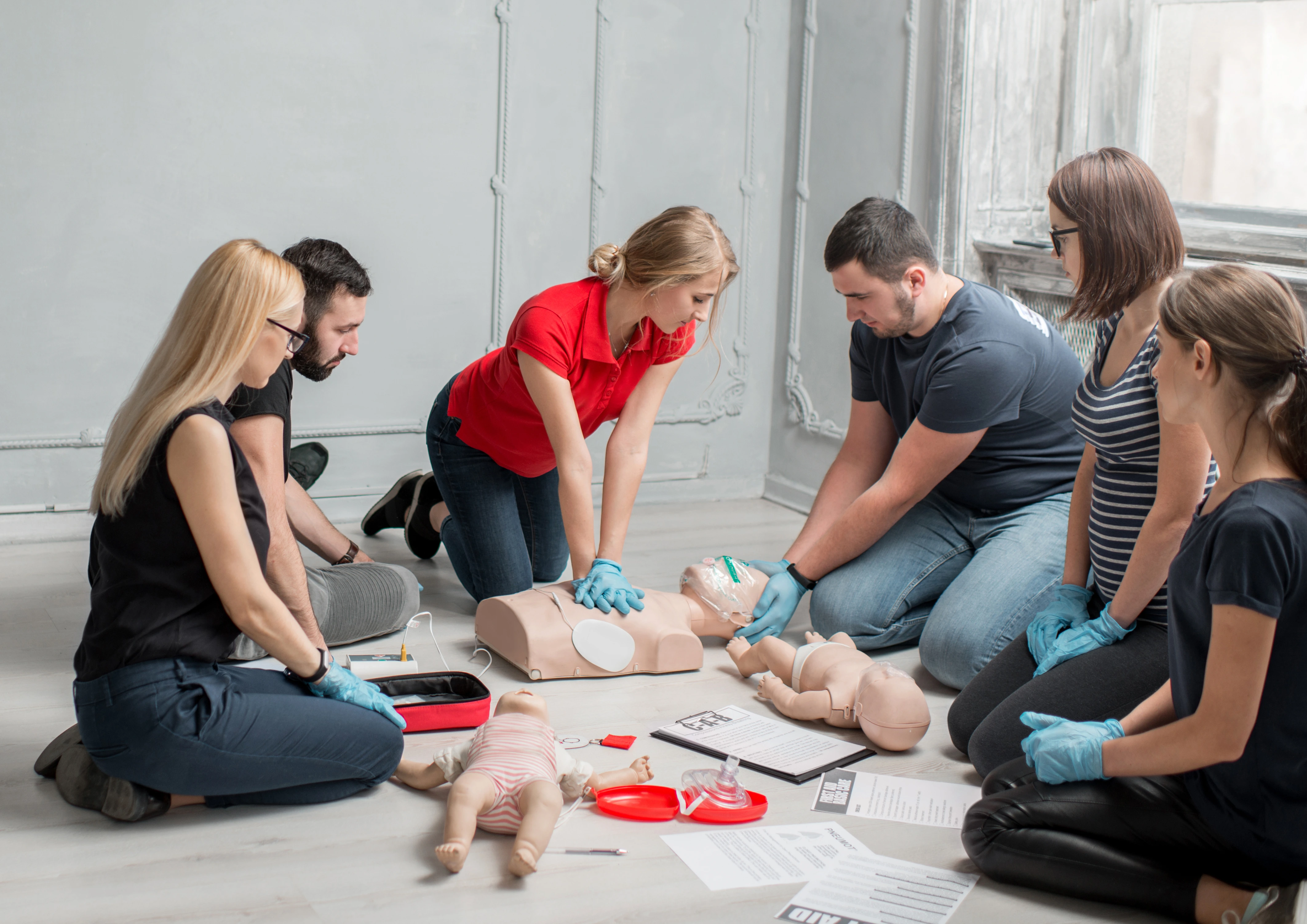
What Are the Objectives of a First Aid Course?
First aid training courses generally intend to outfit individuals with essential abilities required in emergency situations:
- Understanding Standard Life Assistance (BLS): Individuals discover airway administration, breathing assistance, and circulation restoration. Identifying Emergencies: Training includes acknowledging various emergencies like choking, sinking, or heart attacks. Learning Techniques: Practical sessions concentrate on hands-on understanding of strategies such as upper body compressions and rescue breaths.
Types of CPR Courses Available
There are different types of mouth-to-mouth resuscitation training courses offered depending on individual requirements:
Basic Life Support (BLS):- Aimed at healthcare providers and professionals. Covers grown-up, youngster, and baby resuscitation techniques.
- Designed for laymans or non-healthcare professionals. Emphasizes emergency treatment essentials alongside adult/child/infant resuscitation.
- Convenient option for those with limited schedules. Often consists of video demonstrations yet does not have hands-on method unless incorporated with in-person sessions.
- Tailored programs developed for particular work environment environments. Focus on appropriate scenarios workers might encounter.
What Abilities Are Covered in Emergency Treatment and CPR Courses?
1. Acknowledging Emergencies
Participants find out just how to recognize essential circumstances requiring intervention quickly.
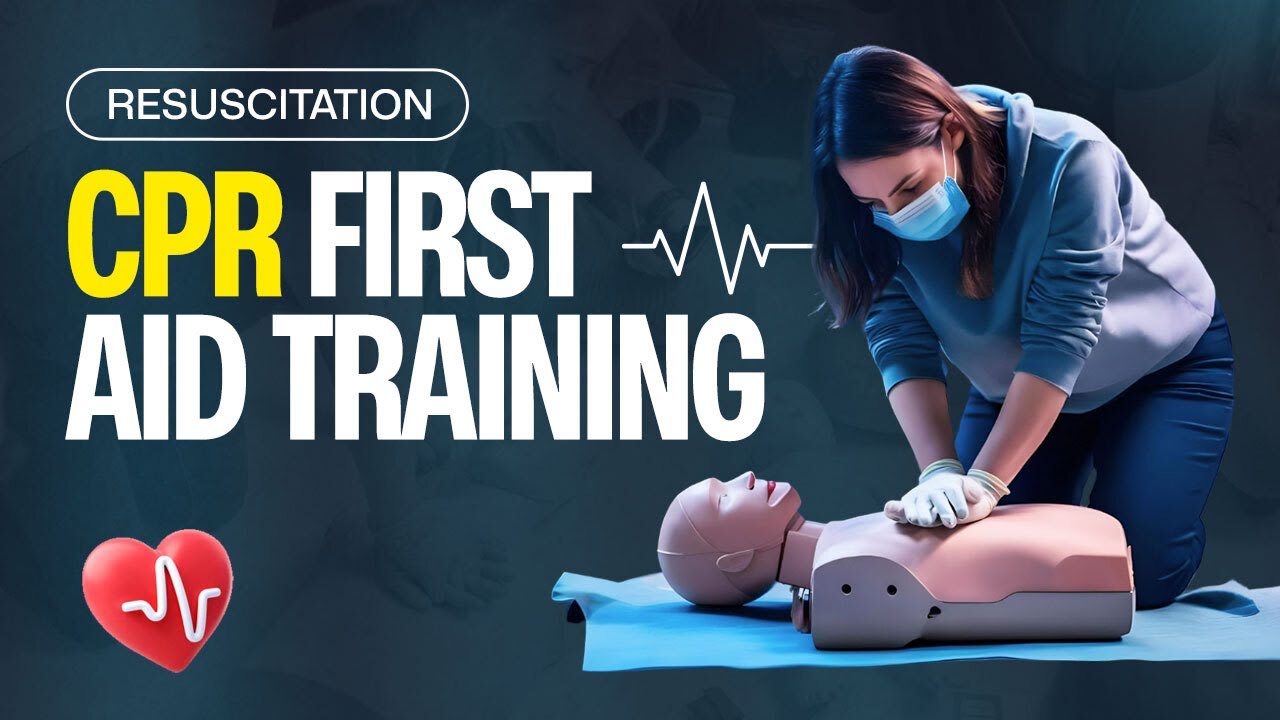
2. Performing Breast Compressions
Chest compressions are essential in maintaining blood circulation throughout heart arrest.
3. Carrying Out Rescue Breaths
Breathing strategies ensure oxygen reaches essential body organs when somebody can not breathe independently.

4. Making Use Of an Automated External Defibrillator (AED)
Training typically consists of how to use an AED properly, which can restore typical heart rhythms.
5. Managing Choking Incidents
Students are taught exactly how to perform abdominal drives on choking sufferers both adults and infants.
6. Managing Various Other Clinical Emergencies
Courses may additionally cover various clinical scenarios like strokes or serious allergic reactions.
The Significance of Certification After Completing a Course
Obtaining a first aid certification after completing your training is necessary for a number of reasons:
- It verifies your skills and knowledge. Many offices need accreditation for details roles. It constructs reliability among peers and employers regarding your readiness to respond in emergencies.
Detailed Description of Secret Techniques Taught in CPR Courses
Chest Compressions: The Foundation of CPR
Chest compressions are arguably the most crucial element of executing effective cardiopulmonary resuscitation because they circulate blood via a victim's body even when their heart has stopped defeating:
- Place your hands at the center of the person's chest. Keep your elbow joints straight while pressing down hard and fast at a rate of 100-- 120 compressions per minute. Allow full upper body recoil in between compressions for optimal blood flow.
Rescue Breaths: Giving Oxygen When It Matters Most
After every 30 chest compressions, it is vital to provide two rescue breaths if educated:
Open the airway by tilting the head back slightly. Pinch the nose closed while sealing your lips around their mouth. Give two breaths lasting about one second each while expecting breast surge before proceeding compressions.Recognizing Heart attack vs Various Other Emergencies
Understanding when to launch CPR can be challenging however is paramount:
- Look for unresponsiveness coupled with no typical breathing or pulse-- this shows heart arrest. In instances where there is still breathing yet it appears abnormal (gasping), call emergency situation services promptly before proceeding with rescue efforts.
Using AEDs Properly Throughout Emergencies
An Automated External Defibrillator (AED) offers clear directions via visual triggers and voice commands:
Turn on the AED as soon as you fetch it from its case. Attach pads according to pictures on them-- one pad ought to go above the best nipple area while an additional goes below the left armpit. Ensure nobody touches the sufferer while examining their heart rhythm; provide shock if recommended by device prompts.FAQs Concerning Comprehending CPR
Q1: How much time does it require to complete an emergency treatment course?
A: Most emergency treatment programs last between 4-- 8 hours depending upon web content depth; sophisticated certifications might require longer sessions spread over several days.
Q2: Can I take a first aid course online?
A: Yes! Numerous companies use blended understanding alternatives where theoretical components are finished online adhered to by sensible assessments in person.
Q3: Is certification legitimate indefinitely?
A: No; certifications commonly need revival every 2 years because of improvements in guidelines and practices within emergency situation response training sectors like those included with first aid training courses or BLS qualifications specifically focused on reliable treatment shipment methods during dilemmas encountered across various settings-- from homes with workplaces!
Q4: Will I find out exactly how to help kids or infants?
A: Yes! Many top quality programs cover methods customized especially toward pediatric patients alongside adult-focused training components making certain more comprehensive applicability across age throughout emergencies encountered daily within our communities!
Q5: What are some usual misconceptions regarding doing CPR?
A: A common false impression is that you need to not attempt any kind of kind till skilled specialists get here; nevertheless acting swiftly can drastically improve end results if started appropriately using info gained via structured programs like those used within Emergency treatment & & CPD settings!
Q6: Do I need any special equipment for my training session?
A: Usually speaking all necessary materials will Sydney CBD First Aid Course Near Me certainly be provided by teachers consisting of manikins utilized method situations including both compression-only versions along with standard rescue breath layouts ensuring comprehensive understanding got throughout coursework carried out within assigned durations allotted accordingly based upon specific schedules/preferences!
Conclusion
In final thought, comprehending cardiopulmonary resuscitation (MOUTH-TO-MOUTH RESUSCITATION) equips individuals with life-saving abilities that could mean the difference in between life and death during emergency situations including cardiac arrest or various other health and wellness situations requiring immediate treatment prior to professional aid arrives! Registering on your own into accredited first aid courses ensures you're prepared should a regrettable event happen around you-- empowering not only personal self-confidence yet likewise promoting area durability general! Whether you select online courses blended learning approaches conventional class setups ultimately leads towards getting important insights improving response capacities responding efficiently amidst uncertainty dealt with routinely browsing uncertain situations fundamental daily living experiences shared jointly across society today!
By focusing on education bordering these essential subjects we produce more secure environments fostering more powerful connections first aid courses Fremantle between people making entire areas healthier holistically moving forward with each other united purposefully towards accomplishing typical goals visualized throughout shared trips in advance filled up pledge hope better futures await us all-- one heartbeat at time!